Animal Care
Early Access welcomes 25+ animal species to your lodge in Pebble Town. Learn their habits, meet three daily needs, and keep every guest safe and content during their stay.
What Is Animal Care?
Pawsome Resort is built around a simple promise: animals from around the world stop at your lodge for a few days, and you make sure they leave happy. You are not exploring dungeons or grinding combat—you are running a cozy animal hotel where every species has different habits and space needs.
Early Access ships with 25+ species (the free demo has 20+). Guests arrive steadily: you register them, build or assign outdoor habitats, stock food and water, sweep mess, and calm moods when happiness drops. Miss a need and income suffers—content guests finish their stay and keep money flowing.
This page is the animal-focused guide. For lodge layout and income, see the Hotel page. For crops and kitchen supplies, see Farming. For pens and furniture, see Build.
Before your next errand
Use these checks to choose your next action without neglecting today’s guests.
An empty food bowl is urgent; a crop that will mature later cannot feed today’s guest. Buy the matching feed before leaving town.
At check-in, confirm the species and lead the guest into the correct habitat. Interact again inside so it stops following you outside.
Before fishing or climbing, check the next pickup. Finish a near-term handover first; a distant quest can wait.
Guest Types
See featured guestsUse the agenda’s species name to choose a habitat and feed. Appearance is not a cleanliness or happiness modifier.
Familiar Guests
Sheep, cats and dogs need their matching habitats. Familiar animals still require every daily care check.
Great for learningWild & Exotic
For crocodiles or tigers, check the available blueprint and feed first. Do not buy a habitat just because its picture looks suitable.
Plan aheadLarge Guests
Before adding horses or other large-looking guests, preview the actual habitat footprint and leave access to its bowls.
Needs spaceThree Daily Needs
Steam's Early Access description names three needs every guest shares: hunger, cleanliness, and happiness. Think of them as a daily checklist—when all three stay healthy, your hotel runs smoothly and guest stays pay out.
Meals & Water
Keep the required feed and water ready. Buy immediate supplies; grow recipe ingredients for later replenishment.
Clean Habitats
Tidy outdoor pens and indoor spaces. Mess builds up during stays—regular cleaning keeps the cleanliness need in check.
Calm Moods
Check happiness directly and interact when it is low. Before a long errand, inspect the needs panel again.
Feed before moods dip. Farm crops and kitchen recipes help you stay ahead.
Sweep habitats during your daily rounds—messy pens drag down this need fast.
Comfort guests when you see their mood fall—check them before leaving for quests.
Buy missing seeds or feed at the shop. Craft Farmer’s Mix at the home workbench when the recipe ingredients are ready; harvested crops are not automatically finished feed.
Cleaning is part of the fantasy. Check-in, habitat setup, food and water prep, and sweeping mess are all normal—filth is expected, not a failure state. Build cleaning into your route instead of treating it as an emergency.
Check hunger, cleanliness and happiness to diagnose a low rating. Fix the need actually shown instead of changing species neighbours or buying furniture at random.
A Typical Guest Stay
Check the agenda, register at the counter, guide the animal to its habitat, then return it to the owner at pickup.
Arrival and registration
A new guest books in. You confirm the species, note any special space needs, and make sure a pen or habitat is ready. Accepting animals before you have room is how busy days turn into chaos.
Habitat and supplies
Match each guest to its species habitat. Check tomorrow’s agenda before buying another blueprint: a new species also needs its own feed and another cleaning stop.
Daily care rounds
Check after check-in, before a long trip and before pickup. Lead a newly registered guest into its habitat, then interact again to stop it following you.
Checkout and payout
Before pickup, read the office notebook, identify the booked animal and clear its route to the counter. When the owner arrives, interact with that animal to lead it back and complete the handover; the Little Creature does not deliver pets. If an owner leaves despite your immediate response, this has been reported by players, but no confirmed fix or exact patience timer is available here. Keep the next route short and report the version, pickup time and steps to the developer; do not rebuild the resort on a guessed cure.
Featured Guests
These animals show up in Steam trailers and on the Pixel Puffs homepage. Labels here are descriptive handles—they help you plan care even if in-game names differ slightly.
Choose care from the species and needs shown in-game, not nicknames on pictures. Prepare the right habitat before the owner arrives.
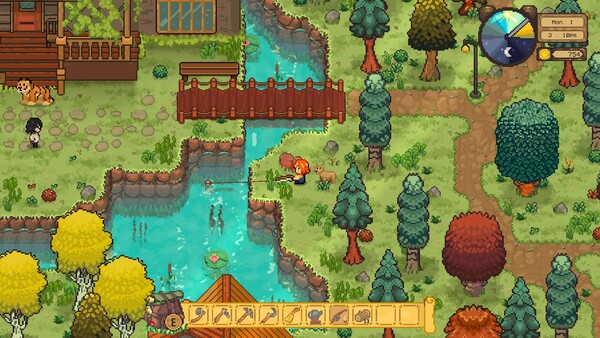
Lazy Cat
Check the cat habitat and feed shown in your save.
After registration, lead the cat into its pen and interact again to stop following. Recheck the needs panel before leaving.
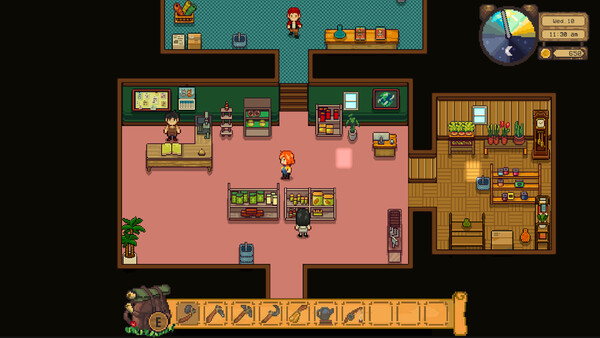
Gentle Panda
Match the panda to its listed habitat, not a guessed temperament.
If happiness falls, inspect food, water and care indicators first. Moving neighbours is not a substitute for fixing a displayed need.
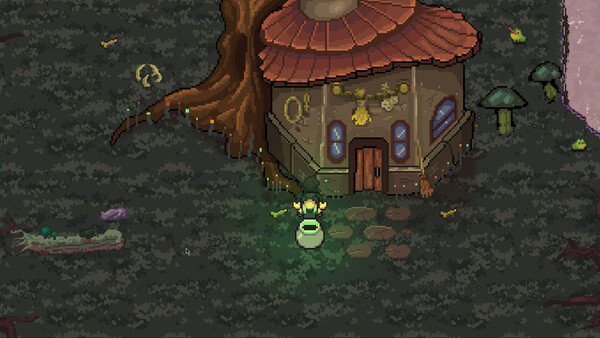
Cool Crocodile
Schedule cleaning from the cleanliness indicator, not the animal’s appearance.
Keep the correct feed within reach before check-in. Include this habitat in your usual bowl and broom round rather than inventing extra care rules.
Majestic Horse
Preview the horse habitat before spending building materials.
Leave a clear gate-to-bowl path and a route back to the counter. Check tomorrow’s agenda before adding another species.
Species roster at launch
Early Access currently includes 25+ species, each with distinct habits according to Steam. The developers plan frequent updates during roughly one year of Early Access, while the free demo remains a smaller way to learn the same care rules.
Use tomorrow’s agenda as your shopping list: check species, habitat availability and required feed before spending on the next pen.
When the Resort Gets Busy
If the next feeding or pickup clashes with an errand, shorten the errand or delay expansion. Finish current care before adding more stops.
The map is large enough that running back and forth hurts. Use your scooter between office, habitats, fields, and town, and cluster prep stations near where animals eat. If moods are dropping, pause side quests—guest income is the engine that funds everything else.
The rescued Little Creature helps with stocked feed and, in v1.2, water. Check its food panel and storage; guest happiness, cleaning and pickup still need your attention.
Care Routine Tips
Small habits that save time every in-game day once guests start arriving.
Scan hunger, cleanliness, and happiness before quests or farming runs.
Build or upgrade outdoor pens for a new species before you accept the stay.
Grow crops and craft kitchen items so feeding does not interrupt your day. See the Farming guide for supply tips.
When feeding, cleaning, and comfort feel automatic for current guests—not before.
More about the game: View on Steam · Pixel Puffs Studio · 3DM