Farming & Crafting
Grow seasonal crops, gather resources, and craft supplies that keep your animal hotel running. Farming is not a side hobby—it feeds guests, funds upgrades, and keeps villager quests moving.
Fields Feed the Lodge
Steam describes Pawsome Resort as a top-down farming RPG—not just a hotel sim with a garden tucked in the corner. Your fields, workshop, and kitchen sit on the same daily schedule as guest care, villager errands, and story quests.
Demo players report a familiar cozy loop: till soil near your habitats, plant crops, pull weeds, chop wood for materials, and carry harvests to the kitchen before afternoon feeding rounds. Income also flows from quests and gathering, but home-grown supplies are what stop you from running to town every time a guest gets hungry.
This page covers field work, seasons, gathering, and crafting. For guest hunger and moods, see Animals. For pens and furniture placement, see Build.
Before your next errand
Use these checks to choose your next action without neglecting today’s guests.
Open the active recipe before planting. Count missing ingredients, then reserve only the plots needed for that batch.
Carry the hoe and watering can for one field pass. Check the plot state after watering instead of assuming the weather handled it.
Keep today’s feed separate from crafting ingredients. Make Farmer’s Mix at the home workbench, then check Proper Feed’s objective; only deliver it if your current journal asks.
Three Ways You Produce
Use three linked steps: grow ingredients, collect missing materials while traveling, then craft what your active recipe requires.
Field Crops
For Farmer’s Mix, grow Green Bean, Radish and Hay. Plan each crop from the recipe’s ingredient costs, not an assumed seasonal calendar.
Core supplyGathering & Foraging
Chop trees, clear weeds, fish rivers, and pick up quest materials while crossing the map—all part of the daily rhythm.
While travelingHome workbench
Get Serenya’s recipe first. At the home workbench select Farmer’s Mix and compare ingredient costs with your harvested stock before crafting.
Adds valueField placement tip: Chop trees, plant crops, and weed right next to animal pens—not on a distant farm map you visit once a week. Design your field path so you pass crops on every feeding run.
Seasons & Weather
Watch each plot’s state rather than assuming changing weather has completed the watering. The bigger watering can added in August reduces refill trips, not the need to check crops.
Placed a crop in the wrong spot? Select the pickaxe to remove it; the hoe prepares soil. Before planting for a hand-in, compare the journal’s finished item with the recipe and your inventory, then plant only the ingredients still missing.
-
Day-night rhythm Batch field work in daylight; save guest mood checks for dusk if quests run long.
-
Weather shifts Dynamic weather changes how the valley looks and feels—factor it into travel time between field and kitchen.
-
Seasonal crops Compare the recipe’s ingredient counts with harvested stock. Plant the missing ingredients together, and leave a feed reserve before turning crops into a quest batch.
Crop calendar
Read seed planting requirements before buying a large stack. Leave room for green beans, radish and hay when About What Animals Eat is active.
Gathering Routes
Resource runs should overlap with chores you already make—never farm in one direction and feed guests in another.
Wood & lumber
Chop trees near habitats for a steady wood supply. Early Access also introduces a lumberjack villager—wood fuels crafting and building expansions.
Fishing & rivers
Fish at the river between chores. Treat it as a calming gather node, not a separate game mode—it still costs daylight.
Quest bundles
Steam lists earning money and gathering items through quests and events. Villager requests often hand you rare mats you cannot grow on your own plot.
Kitchen & Crafting Flow
The journey runs from your first planted seed to every piece of furniture you place. Crafting is how raw mats become hotel-ready goods.
Crops, wood, fish, and quest drops enter your inventory.
Get Serenya’s recipe first. At the home workbench select Farmer’s Mix and compare ingredient costs with your harvested stock before crafting.
Check Proper Feed after crafting. Use remaining finished feed for suitable animals; raw crops and finished feed are not interchangeable.
Buy vs craft
Buy missing seeds or feed at the shop. Craft Farmer’s Mix at the home workbench when the recipe ingredients are ready; harvested crops are not automatically finished feed.
Build page → placement tipsCrafting Priorities (Early Access)
A practical order for demo and Early Access—not a recipe database. Exact item names will vary by build; the logic stays the same.
| Priority | Focus | Why it matters | When |
|---|---|---|---|
| 1 | Feeding & cleaning supplies | Guests eat daily. Running out mid-round hurts happiness and income. | Before your second guest checks in |
| 2 | Basic habitat furniture | Keep habitat materials separate from crop ingredients. Unlock blueprints through the current villager request; furniture alone does not replace that objective. | After first steady guest payout |
| 3 | Villager quest items | Compare the current quest reward and required materials before spending your seed and feed reserve. | When Pebble Town requests open up |
| 4 | Decor & comfort extras | Pretty pieces are satisfying, but they rarely fix a hungry guest. Craft them after core loops feel stable. | Mid-game and later |
A Practical Daily Farm Loop
If hotel and farm feel overwhelming, stop splitting them into separate trips. One route that hits crops, kitchen, and habitats in a single pass usually fixes the pace.
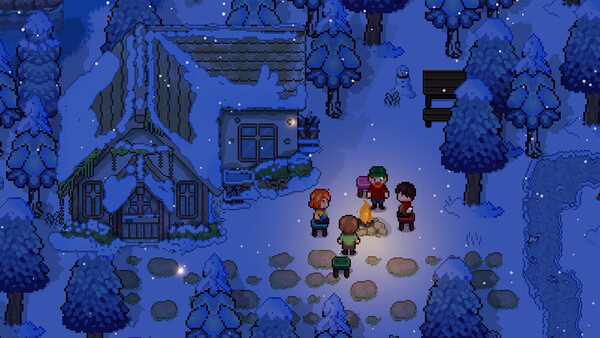
Water or harvest ready crops, restock the kitchen, and note which villager quests need mats today.
Feed and clean before long gathering runs. Crops can wait an hour; hunger usually cannot.
Chop wood, fish, or chase quest nodes on your scooter loop—then craft before night falls.
Till new plots or replant seasonal seeds so tomorrow's feeding round has backup—especially before busy guest days.
Balance tip: Feeding, cleaning, soothing guests, and tending crops while chasing story quests stacks fast. Farm in batches—do not weed every tile every day if guests are waiting.
Village tie-in: Early Access villagers include a lumberjack alongside the vet and witch. Wood supply, animal health, and story progression all pull from the same daylight budget—see Village for who to befriend first.
More about the game: View on Steam · Pixel Puffs Studio