Beginner's Guide
Learn the basics of running your animal hotel in Pebble Town—from your first guest through your first week.
Game basics · Daily loop · Controls · First day · First week · FAQ
What Is This Game?
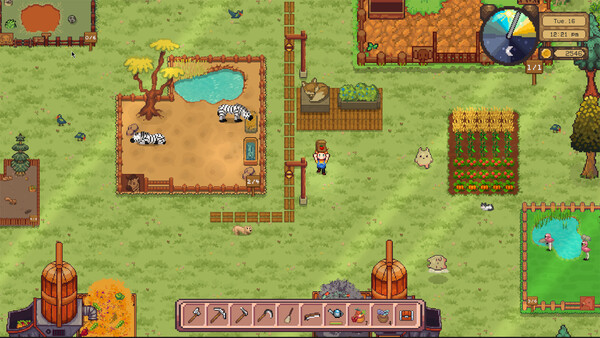
In Pawsome Resort, you inherit a modest lodge in Pebble Town and turn it into a cozy animal hotel. Care for guests from cats to exotic visitors, grow crops, craft supplies, befriend villagers, and help the community as strange events threaten the valley.
Early Access includes 25+ animal species, farming, crafting, a main storyline with side missions, and a day-night cycle with seasonal weather. A free Steam demo is available to try before launch.
Care
Serve meals, keep spaces clean, and calm guest moods so every animal feels safe during their stay.
Build
Customize your office and outdoor habitats. Design the resort layout the way you want it.
Connect
Talk with Pebble Town residents—from the vet to a mysterious witch—and progress the village story through quests.
Core Daily Loop
Each in-game day, balance animal care with resort growth—that is how you keep the hotel running and the town moving forward.
Feed
Prepare meals for hungry guests
Clean
Tidy rooms and habitats
Comfort
Soothe moods and keep spirits up
Earn
Finish quests and sell goods
Expand
Upgrade the hotel and unlock story
Controls
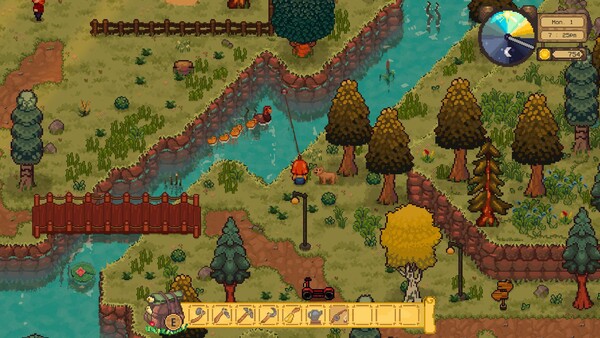
You can play with keyboard and mouse or a controller. Building and interaction menus are simple and easy to pick up—even if this is your first cozy sim.
- check_circle Movement & interaction — walk, talk, and manage the hotel from a top-down view.
- check_circle Build menus — place furniture and habitats through straightforward placement flows.
- check_circle Scooter travel — ride your scooter to cross the map faster when errands pull you across town.
First Day Checklist
Follow these steps on your first play session.
Finish the in-game tutorial and learn the basic UI.
Welcome your first animal guest to the hotel.
Practice feeding, cleaning, and comforting a guest.
Prepare your field and plant your first crops.
Visit Pebble Town and talk with a villager in the square.
End your first in-game day and see what carries over to morning.
First Week Goals
After day one, focus on building habits—not perfection. Work through these five goals at your own pace.
Set up basic hotel infrastructure
Place a workable guest space and an outdoor habitat so new animals can check in comfortably.
Keep a steady care routine
Check hunger, cleanliness, and happiness before chasing extra tasks—happy guests keep income flowing.
Grow farming and crafting
Expand crops and craft supplies to support the hotel and villager requests.
Befriend at least one villager
Help a neighbor with a small request and learn their story—relationships unlock more of Pebble Town.
Follow the main storyline
Pick up the village main quest and a side mission to understand the unnatural illness affecting the town.
Tips
- lightbulbOpen the guest notebook at the start of each in-game day. It tells you who is hungry, messy, or moody before you leave for town.
- lightbulbRide the scooter for Pebble Town errands. Walking burns daylight you need for feeding rounds and crop harvests.
- lightbulbPlant crops beside the habitats you pass during feeding—not on the far side of the map. One loop should cover pens and fields.
- lightbulbBuy farmer's mix and cleaning supplies before cosmetic furniture. Pretty rugs do not feed a hungry capybara.
Best Strategy
Treat week one as infrastructure week: first pen, reliable feed-clean-comfort loop, then one villager errand, then your first crop row.
Add a second species only when one guest's three needs feel automatic. Two unhappy pens teach bad habits faster than one happy pen teaches good ones.
Batch town trips: shop, lumberjack, and active quest markers on one scooter ride before 8 p.m. when the store closes.
Common Questions
Should I finish the in-game tutorial?
Yes. It teaches pen placement, registration, and the three daily needs in a safe order. Skipping it is the fastest way to place a habitat facing the wrong direction.
Does the game punish missed meals?
Guests lose happiness and payouts suffer. You will not get a game-over screen, but one neglected pen makes every other task feel twice as urgent.
Controller or keyboard?
Both work in Early Access. Update #1 added LT/RT menu tabs on controller—handy when you are carrying supplies and cannot spare a hand for the mouse.
Advanced Advice
When story quests pull you across the map, set a hard rule: feed every pen before you accept a new travel objective. Owners waiting at the desk will not pause their timer.
Use the free demo as a practice save if you are unsure about buying Early Access. It teaches the care loop with 20+ species without committing to the full roster.
After each Steam patch, skim our Updates and News pages—control changes and new QoL features often land without a flashy trailer.
5 Things Early Access Players Overlook
These blind spots show up after the tutorial ends—when the map opens and every villager marker looks equally urgent. They are not hidden mechanics; they are pacing mistakes that steal daylight from feeding rounds.
1. Do not rush lodge expansion
Indoor office upgrades look like progress because new furniture unlocks menus and registration flair. In Early Access you still carry meals and brooms yourself—extra indoor square footage without a second functioning pen only lengthens your walking route. Steam lists hunger, cleanliness, and happiness as the daily pillars; until one guest's three needs feel automatic, lodge expansion is vanity pacing, not income pacing. Buy feeding and cleaning supplies before cosmetic rugs; add outdoor habitat capacity before chasing indoor themes.
2. Week-one resource priority
Treat your first seven in-game days as a supply sprint, not a decoration contest. Priority one: materials for the first outdoor pen—the demo sheep habitat costs wood and stone from the lumberjack blueprint. Priority two: farmer's mix ingredients plus shop seeds so you are not racing back to Pebble Town at dusk. Priority three: cleaning tools and spare meals crafted at the lodge workbench. Priority four: daylight reserved for feeding rounds before any villager marker. Wood gathered on scooter trips to Rudgar or Serenya counts double if you chop trees beside pens. Coin from completed stays should refill stock, not buy duplicate sofas.
3. Quests you can safely postpone
Not every exclamation mark is urgent. Fishing errands for Serenya, long witch storyline chapters, and decorative shopping loops can wait until one pen runs cleanly. The habitat-helper rescue is important but still sits behind basic care—you lose more stars letting hunger drop during a basement crawl than arriving at that quest one afternoon later. Rudgar's material turn-in matters because it unlocks blueprints, but only after you can afford daily feed for whoever is already checked in. Side minigame gold is optional income; skip it on days when the guest notebook shows red mood icons.
4. Where beginners burn money
The fastest gold sinks in Early Access are predictable: duplicate indoor furniture before workshop recipes are set up, a third pen before food storage supports two species, buying meals in town when crafted farmer's mix is cheaper, and scooter trips without a bundled shopping list. Players also overspend accepting extra guests when the notebook already warns of messy habitats—unhappy stays pay less, which feels like the game is punishing you when the fix was passing on one booking. Cosmetics are satisfying, but they rarely prevent a hungry capybara from tanking your afternoon.
5. Before the first winter season hits
Steam's Early Access roadmap highlights dynamic seasons with rain and snow; the live build already rotates crops and weather enough that winter-like slowdowns punish unprepared hosts. Before cold or wet days compress your outdoor time, finish four chores: recruit the habitat helper so food and water auto-fill from storage, plant a crop row beside your busiest pen, complete Serenya's farmer's mix chain so kitchen prep is local, and stock cleaned habitats so comfort checks do not chain-fail. Winter is not a separate game mode—it is the same daily loop with less forgiving travel. Players who treat autumn as decorate indoors week often restart spring broke on feed.
Launch Week Playbook (After Update #1)
Early Access launch week shipped three official patches in four days. This playbook turns those developer notes into daily habits—not a repeat of beginner pacing advice, but what changes after Hotfix #1, Hotfix #2, and Update #1 land on your save.
Day zero: verify your build before expanding
Steam Community Hotfix #1 on June 22 fixed performance dips, a late-game drop bug, and the movement stutter players nicknamed self-rotation. Before you place a second pen, walk the map once after patching—if input still spins, relaunch rather than rebuilding routes around a broken controller read. Hotfix #2 on June 23 unblocked habitat placement; if old saves still refuse fences, reload after the patch rather than deleting pens you already paid for.
Update #1: hoe removal changes farm experiments
Update #1 on June 26 added hoe crop removal—a top Steam request. Treat fields as reversible now: test seed rows beside your busiest pen, and delete mistakes instead of living with wrong layouts until winter. The same patch moved NPC schedules and relationship missions under the Inventory tab and let controller players switch tabs with LT/RT. If you play on sofa, remap your muscle memory: open inventory before chasing villager hearts, or you will walk past exclamation marks with menus half-open.
Myth: more bookings equals more progress
Launch reviews praise the cozy loop but warn that accepting every guest on day two collapses the same afternoon. Steam's store page lists hunger, cleanliness, and happiness as parallel pillars—Update #1 did not add staff automation, only QoL menus. Until Pixel Puffs ships roadmap automation, your personal cap is bookings you can feed before dusk, not species count. Pass on a third check-in when the notebook shows yellow hunger; the lost coin hurts less than a chain-fail checkout.
Recommended route for patch week
Patch week order that matches official fixes: (1) update the game and confirm movement feels clean; (2) finish one pen loop with hoe-tested crops beside it; (3) run Rudgar wood turn-in before decorative shopping; (4) rescue the habitat helper before accepting exotics; (5) read Steam patch notes same evening you play—sprinkler and disappearing-item fixes from Update #1 change whether overnight fields survive. Report new bugs on Steam discussions, not this wiki—we translate official notes into checklists after they ship.
FAQ & Next Steps
Demo vs Early Access?
The free Steam demo lets you sample resort management. Early Access adds more animals, systems, and story content with frequent updates over roughly one year.
Feeling overwhelmed?
Demo players often juggle feeding, cleaning, farming, and quests at once. Prioritize guest care first, then quests. More efficiency tips live on our Tips page.
Where to learn species details?
Head to Animals for guest traits and care notes.
Explore More Guides
What To Read Next
If you are just getting started, continue with the Animals Guide before you expand room count—it explains hunger, cleanliness, and happiness in species terms. When daily care feels boringly reliable, the Build Guide shows which pen unlocks which guest, and Village walks you through Rudgar, Serenya, and the witch quest that unlocks your habitat helper.